How do we make media literacy meaningful and relevant to young people's everyday lives? How do we meet people where they are? For us, the answer is to start with communities, listen to young people and build programmes around their experiences.
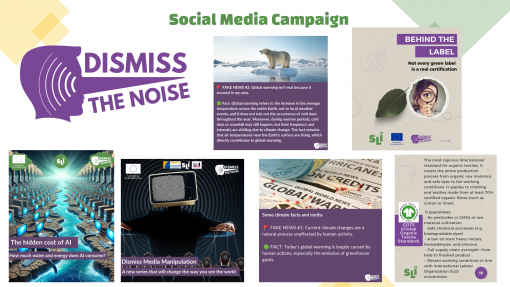
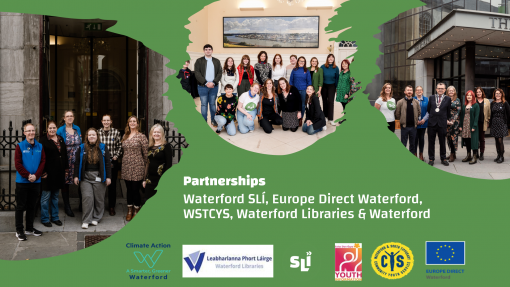
Sarah was delighted to speak at the Media and Learning Association webinar, 'Grassroots Media Literacy: Community-Led Approaches to Building Trust and Digital Resilience'. She shared the journey behind SLÍ's youth media literacy work and traced its development from the Erasmus+ project Dismiss the Noise through three Use Your Voice conferences and to the new Dismiss 2.0 project. A central theme was the relationships behind the work: how an initial project created opportunities to work with young people locally; how partnerships helped us reach different groups and sustain that work; and how the experience eventually informed a second project with a stronger focus on youth workers and non-formal education.
Each stage built on what had come before. Young people helped identify the issues that mattered to them, contributed to shaping conference programmes, and took part in workshops and creative activities. Their feedback helped us rethink and develop each event, moving beyond one-off presentations towards more interactive and participatory experiences.
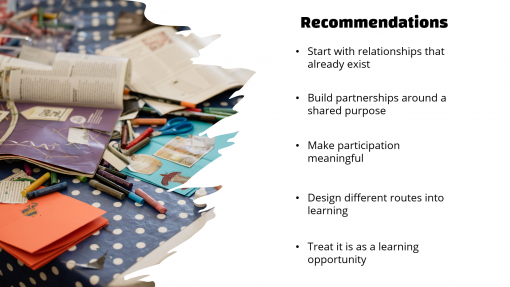
Key takeaways included:
- Connect media literacy to real life and the issues young people already encounter such as climate change, consumer choices, identity and wellbeing.
- Build on existing relationships. Work with organisations that already connect with your target group.
- Make participation meaningful. Give your target group opportunities to contribute and influence activities.
- Design different routes into learning. Not everyone engages with presentations or workshops.
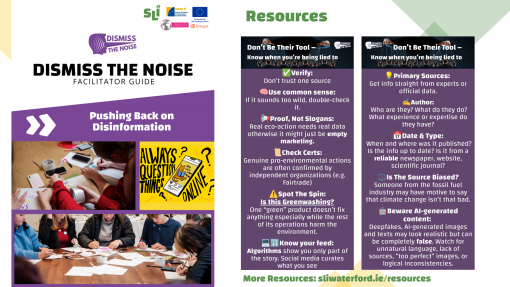
This learning now feeds into DISMISS 2.0: From Greenwashing Awareness to Informed Consumer Thinking. The project will develop a six-module media literacy curriculum, case studies and facilitator resources, alongside training and peer support for youth workers. It will equip practitioners with knowledge, confidence, an dpractical resources to facilitate critical thinking, informed decision-making and action with young people in their own communities.
If you work with young people in community, education or other non-formal settings, we'd really appreciate your contribution. Your responses will inform the training so it will be tailored for your needs. COMPLETE THE DISMISS 2.0 SURVEY – LINK
The webinar recording will be available soon on the Media and Learning Association’s YouTube channel. SLÍ would like to thank all our partners, contributors and funders for their continued support.